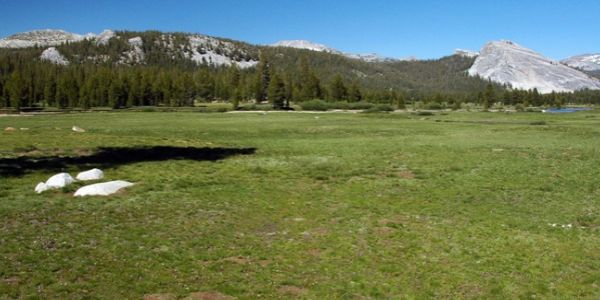
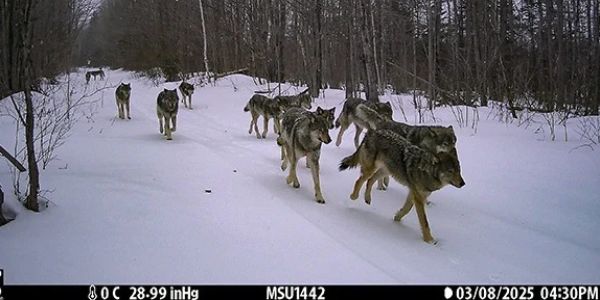
Sometimes science leads to breakthroughs. But sometimes, it also leads to art.
“I am among those who think that science has great beauty.” That sentiment from Nobel Prize–winning scientist and trailblazer Marie Curie comes to life every day in the work of Michigan State University researchers who develop breakthroughs and technologies that create a better world.
Sometimes, that research leads to one more thing: striking, unexpected art. From naturally occurring patterns made by honeybees to microscopic images of gut neurons, here is a glimpse into the beauty revealed by MSU research.
Mapping campus and beyond
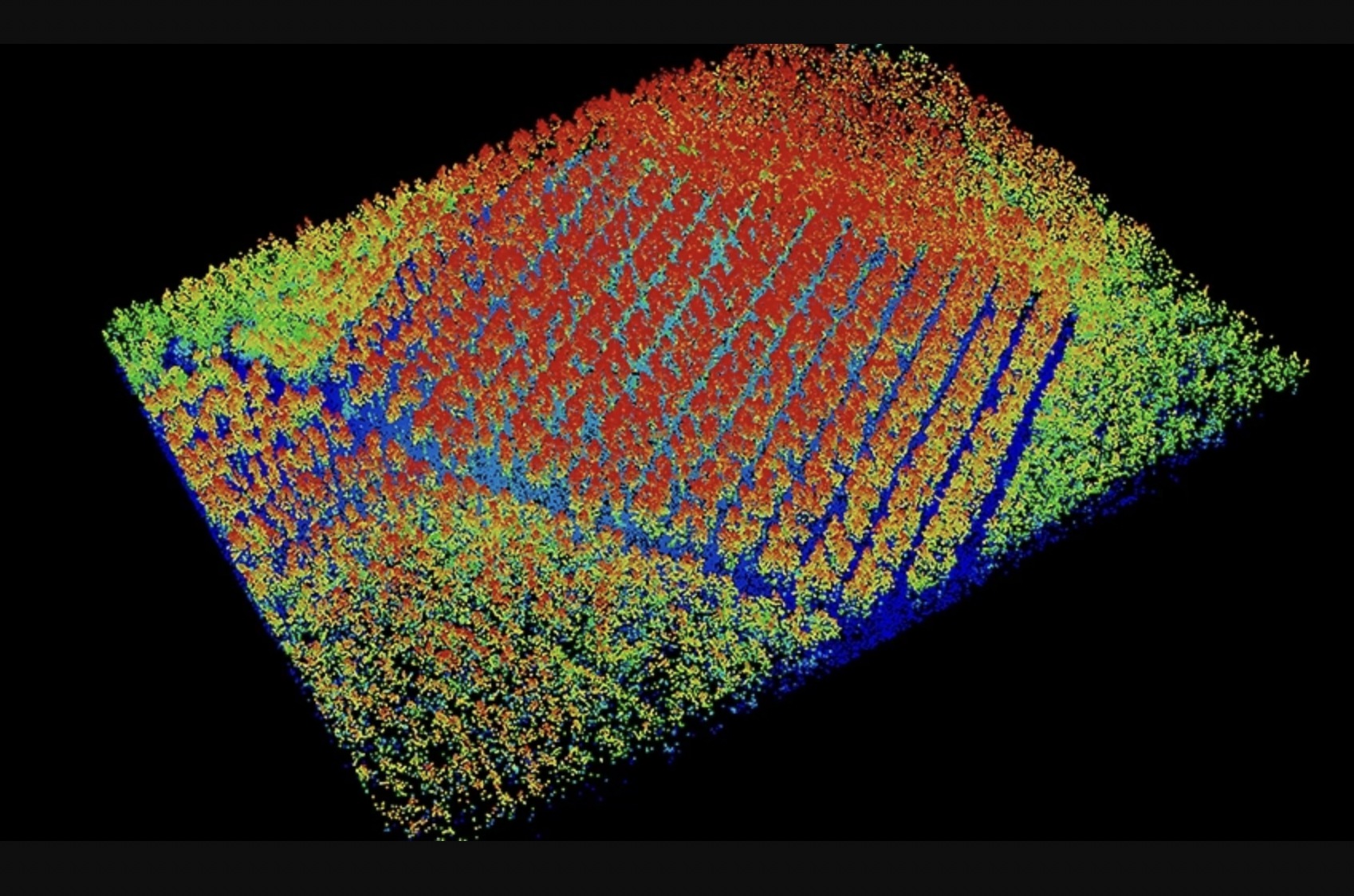
Lidar, or light detection and ranging, is a laser scanning technology that maps out areas of interest, creating surreal replicas of roads, structures and nature. Self-driving cars use the technology to guide vehicles. Researchers in MSU’s Connected and Autonomous Networked Vehicles for Active Safety group in the College of Engineering use lidar alongside other radars and sensors to map 3D testing environments.
The technology is also being used by MSU’s forestry department to create digital twins of forests that could allow forest managers to test different management strategies in a simulation before deploying them in the real world.
A fungus among the waste
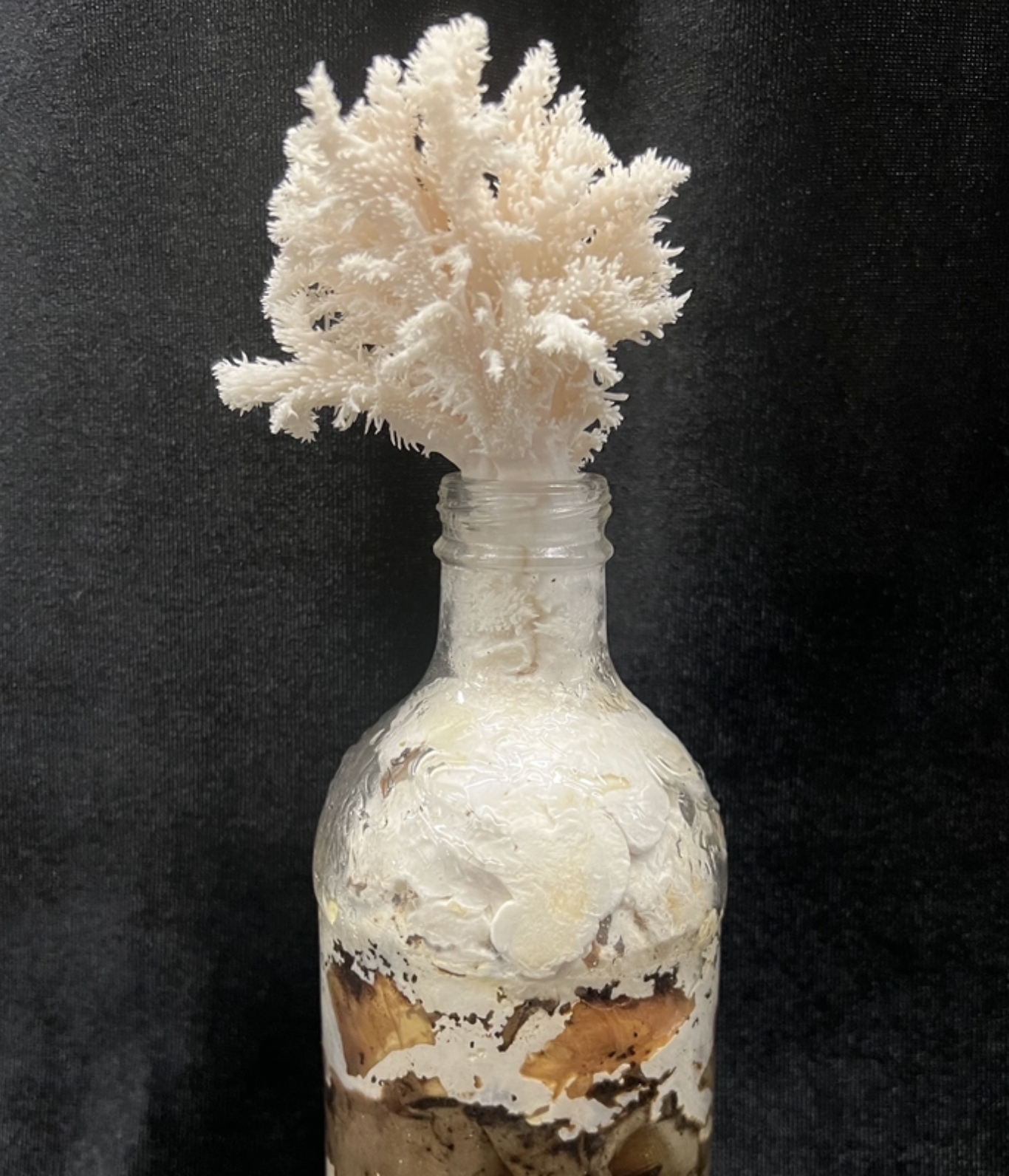
Resembling a cross between a coral reef and cauliflower, this white plume is actually an edible mushroom in the genus Hericium. Research in the Bonito lab in the Department of Plant, Soil and Microbial Sciences, explores the symbiotic interactions between fungi, bacteria and plants.
The image, which won an Ecology, Evolution and Behavior Art in Science Prize, shows edible fungi used to decompose food waste in aerobic environments, reducing methane emissions while creating food.
Watching gut neurons in real time
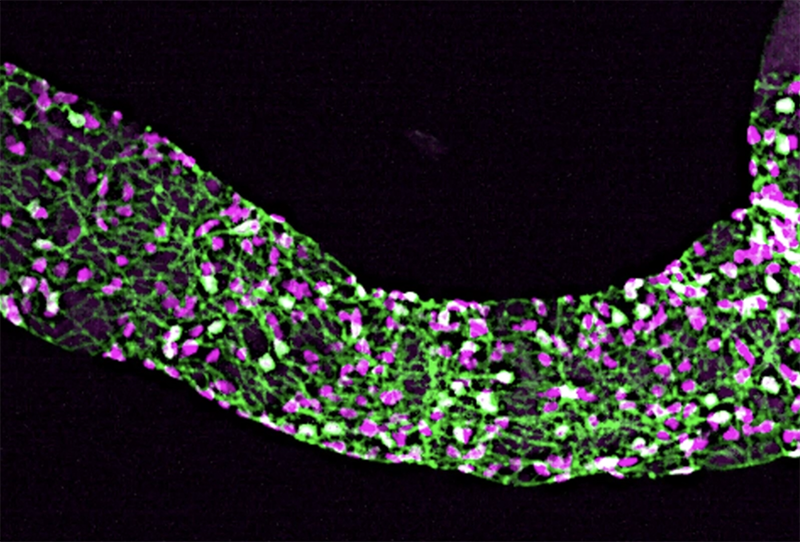
Like a glowing constellation of neon webs and purple dots, this image reveals the microscopic landscape of a zebrafish gut. MSU researchers in the College of Natural Science recently developed a powerful new research tool that allows them to remove gut neurons in zebrafish and watch them in real time. Now, scientists can investigate one of regenerative biology’s biggest questions: Why can zebrafish regenerate damaged gut nerves while humans largely cannot? The findings could have implications for digestive disorders, inflammatory diseases, congenital conditions involving the loss of gut nerves and other diseases.
Hidden night lives
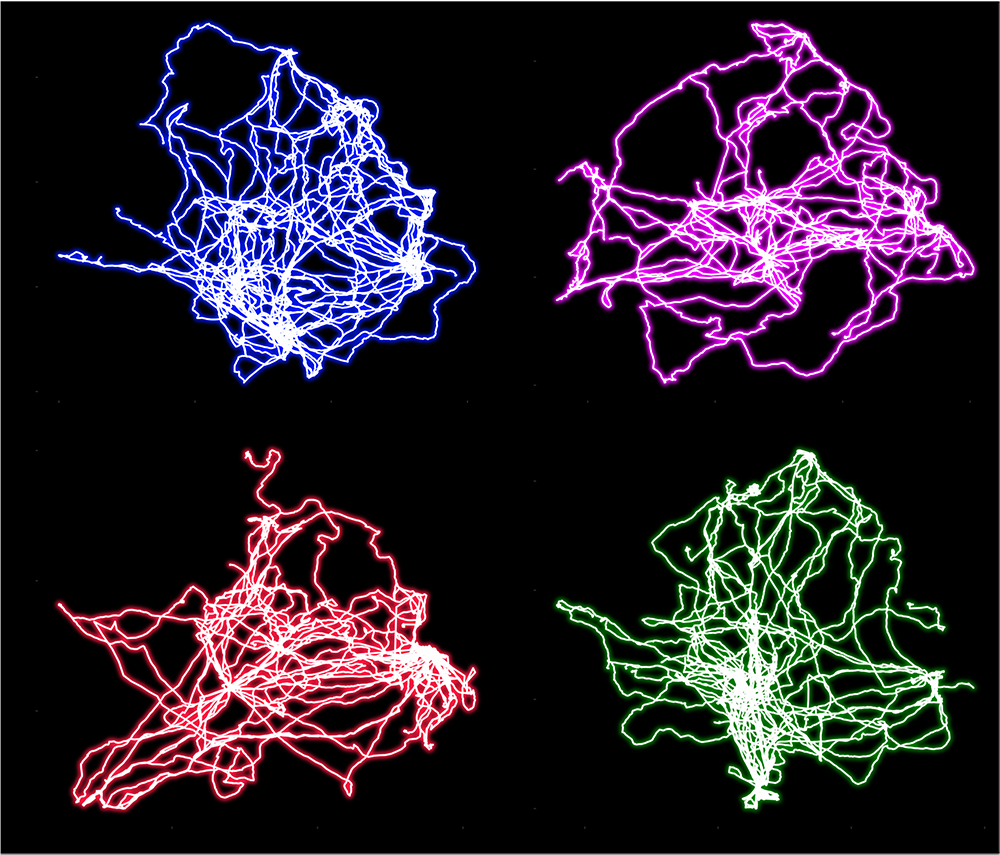
These neon squiggles may resemble the movements of a sparkler being waved in the air. In reality, they represent the paths of spotted hyenas hunting, socializing and caring for their cubs across a single night in the Maasai Mara National Reserve in Kenya. Doctoral candidate Jana Woerner in the departments of Integrative Biology and Ecology, Evolution and Behavior, tracked the hyenas using GPS collars as part of her work with the Mara Hyena Project, which has studied the behavioral ecology of spotted hyenas in the Maasai Mara since 1988.
Science doesn’t just answer our biggest questions; it transforms how we see and experience the world around us. These examples represent just a few areas of research at MSU that have revealed breathtaking visuals — a welcome reminder to look just a bit closer.
Read the full story on MSUToday.